Retreats
Best UK Adventure Retreats for Solo Travellers in 2025
Going away on your own is easy to talk about and much harder to book. A retreat takes most of the friction out of it: the dates are fixed, the bed is arranged, and everyone else has also arrived alone. What's left is the good part — a hill to climb, a kayak to get into, and people to eat dinner with.
The retreats below are grouped by landscape rather than by operator, because the setting usually matters more than the branding. Every one of them works for solo travellers, and all can be reached by train plus a short bus or taxi ride, even if you don't drive.
The Lake District: guided fell days, shared tables
Base yourself around Ambleside, Langdale or Borrowdale and you get the classic retreat shape: a bunkhouse or hostel, a guided walk each day, and one big communal meal in the evening. Days are structured but not rushed — breakfast and a kit check at half seven, boots on the path by nine, back by four with time for a dip in a tarn before dinner.
Windermere has its own station on the branch line from Oxenholme, and Penrith sits on the West Coast Main Line for the northern lakes. Ambleside and Keswick are served by local buses; for Langdale, Wasdale or Buttermere you will probably want a taxi or a lift from someone in the group.
Solo tip: ask about group size before booking. Eight to fourteen is comfortable — big enough to find your people, small enough that nobody gets lost in the crowd. Dorms keep costs down, but many places have private rooms in the same building for a modest supplement.
Eryri and Anglesey: sea kayaks and slate country
North Wales does water well. A typical retreat might include a sheltered paddle on Llyn Gwynant or Llyn Padarn, a sea kayak along the Anglesey coast, and a walk up Yr Wyddfa or through the quarries above Llanberis. Trains reach Bangor for Anglesey, Betws-y-Coed and Blaenau Ffestiniog on the Conwy Valley line.
Tides and wind decide everything on the Menai Strait, so a retreat that builds its day around a tide table rather than a fixed itinerary is usually a well-run one. Most introductory kayak sessions need no experience, but be honest about your swimming and how you feel in open water. Ask whether buoyancy aids, spray decks and helmets are included, and whether there is a second guide or safety boat on the water.
On foot, Cwm Idwal and the Glyderau give you big views without the summer scrum on the main Snowdon paths. If you do want the summit, retreats that start before seven miss most of the queue.
Pembrokeshire: coasteering, cold water and the coast path
The south-west coast is the best place in the UK to try coasteering — scrambling, jumping and swimming along the rocks — and it suits solo travellers because providers pair people up constantly. St Davids, Solva, Stackpole and the beaches around Tenby are the usual bases, with Haverfordwest and Fishguard Harbour the nearest stations.
Expect to be kitted out with a wetsuit, helmet and buoyancy aid. You will need to be able to swim in moving water, and sessions last an hour or two at most. Wild swimming on a retreat is usually shorter still — ten to twenty minutes is plenty in UK sea temperatures, even in August.
A sensible note: cold water is a genuine shock to the body. If you have a heart condition, are pregnant, or take medication that affects how you handle cold, speak to a doctor before booking a water-based session.
The Cairngorms: longer, quieter, wilder
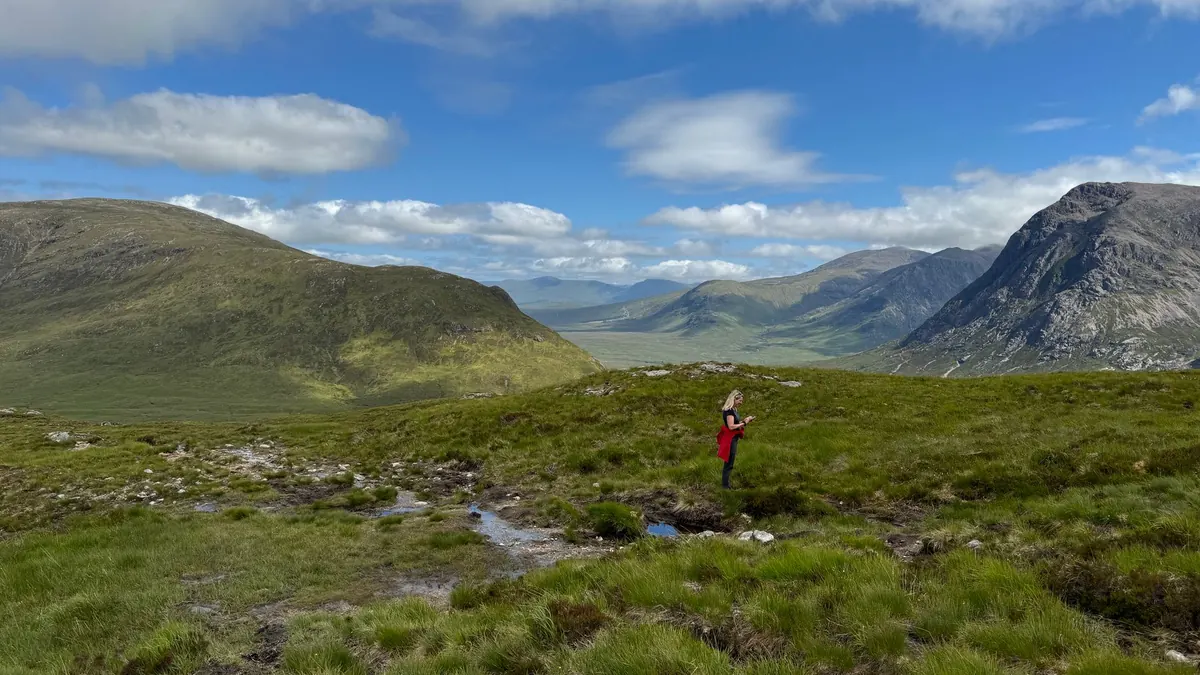
If you want a retreat rather than a weekend, head north. Three to five nights based near Aviemore or Kingussie gives you the Rothiemurchus pinewoods, Loch Morlich, Glen Feshie and long ridges with almost nobody on them. Aviemore is on the Highland line, so you can arrive by train from Perth or Inverness without touching a car.
These trips tend to be more self-directed: a loose plan each morning, flexible routes, and a proper weather day built in. That might mean a bothy, a long lunch, or a walk in the forest when the tops are in cloud. June to August brings midges — pack repellent and a head net and you will barely notice them.
Peak District and Yorkshire Dales: the easy first try
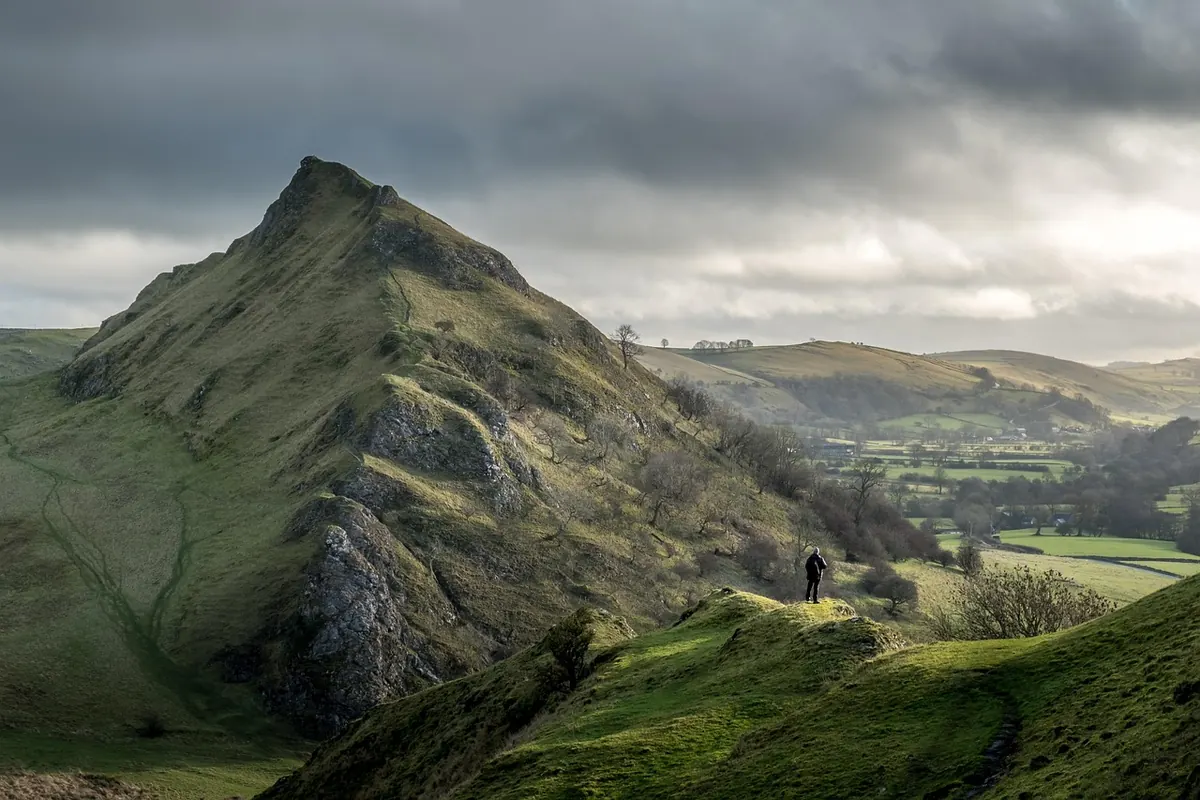
Short, cheap to reach and genuinely sociable, the Peaks are where a lot of people test whether the retreat format suits them. Trains from Manchester and Sheffield stop at Edale, Hope, Hathersage and Grindleford, putting you straight onto the paths. In the Dales, Settle, Malham, Kettlewell and Ribblehead are all reachable by rail or a short bus ride.
Most of these run Friday to Sunday: a guided walk on Saturday, an optional swim, cycle or cave visit on Sunday morning, and a pub dinner in between. Because the travel is so simple, it is a low-risk way to spend two nights with strangers and see how it feels.
What to check before you book
- Group size. Anything over about sixteen starts to feel like a tour rather than a retreat.
- Single occupancy. Ask directly whether solo travellers get a room to themselves, and whether there is a supplement.
- Kit. Confirm what is provided — wetsuit, kayak, helmet, walking poles — and what you need to bring.
- Activity level. "All abilities" can mean anything. Ask for a sample day: distance, ascent, hours on foot.
- Free time. A good retreat leaves gaps. A packed schedule leaves no room to talk to anyone.
- Food. Tell them about allergies
Photo: martinvickery / Pixabay
Related Articles